The Photographs
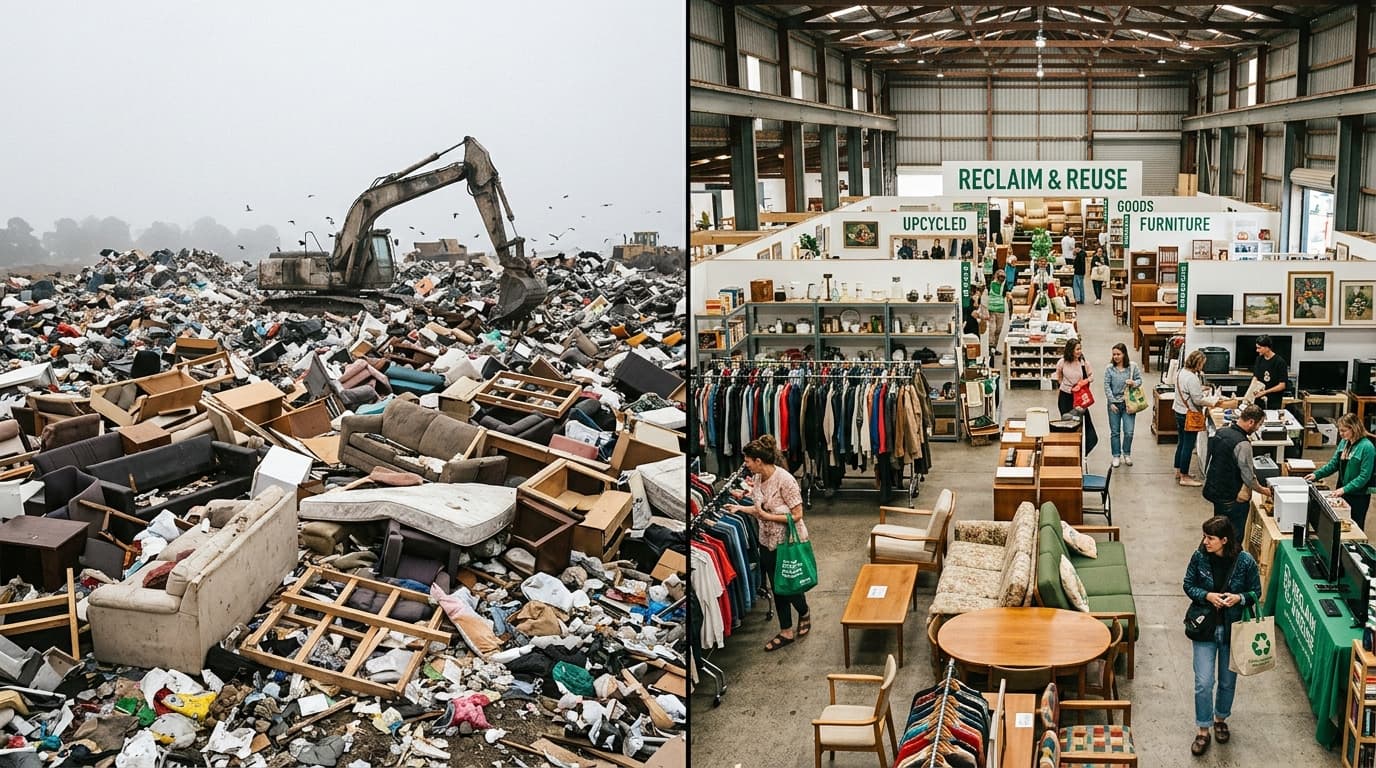
In 2001, I was a garbage man in Marin County, one of the wealthiest enclaves in America. Every day, I hauled away the discarded evidence of the American Dream. I saw items still in their original packaging, high-end furniture, and electronics with years of life left in them heading straight for the burial ground.
The moment that changed me wasn't a piece of furniture. It was a box of family photographs.
I watched a lifetime of birthdays, weddings, and graduations get dumped into the landfill. Someone's entire history, discarded because there was no system designed to value it. That was 25 years ago. Since then, I've spent nearly two decades behind the wheel of trucks, hauling construction debris, moving household goods, and seeing the massive, broken plumbing of our waste system from the inside.
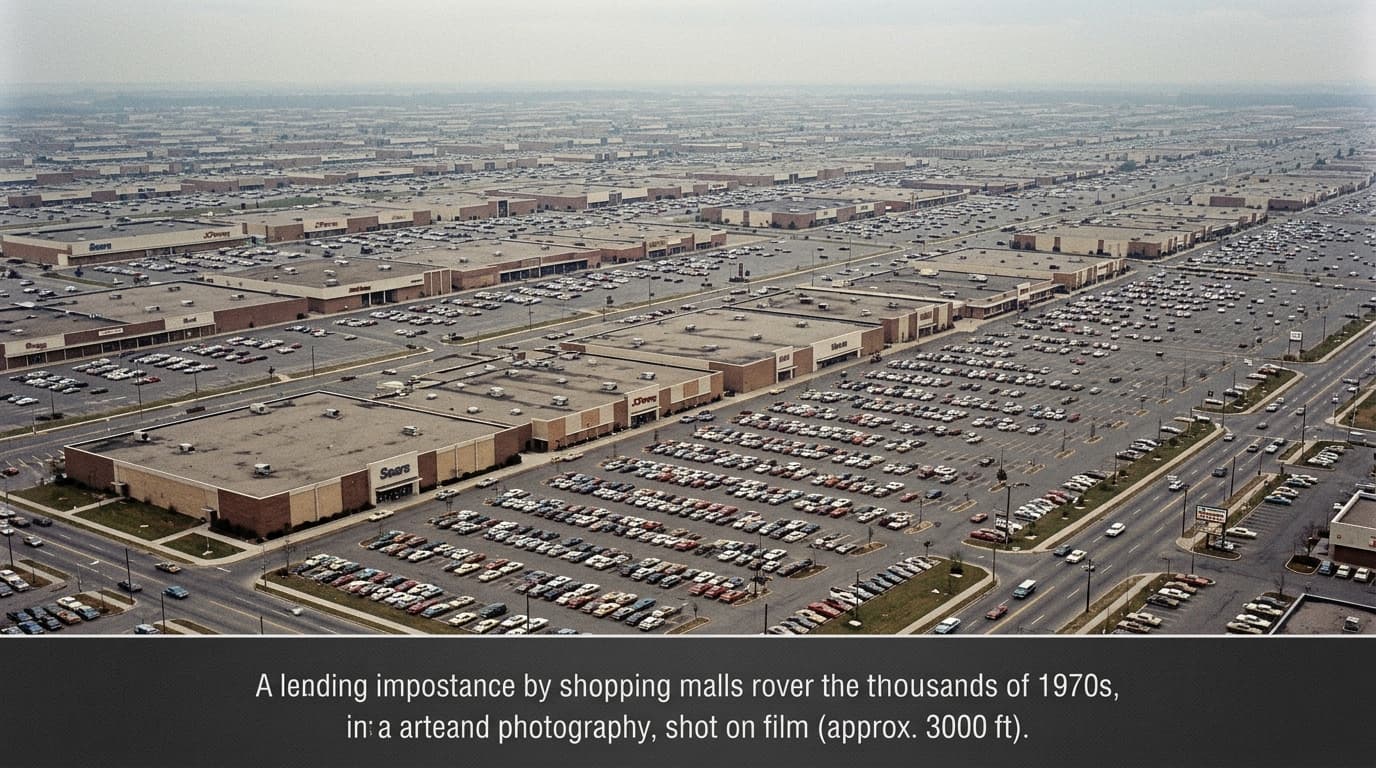
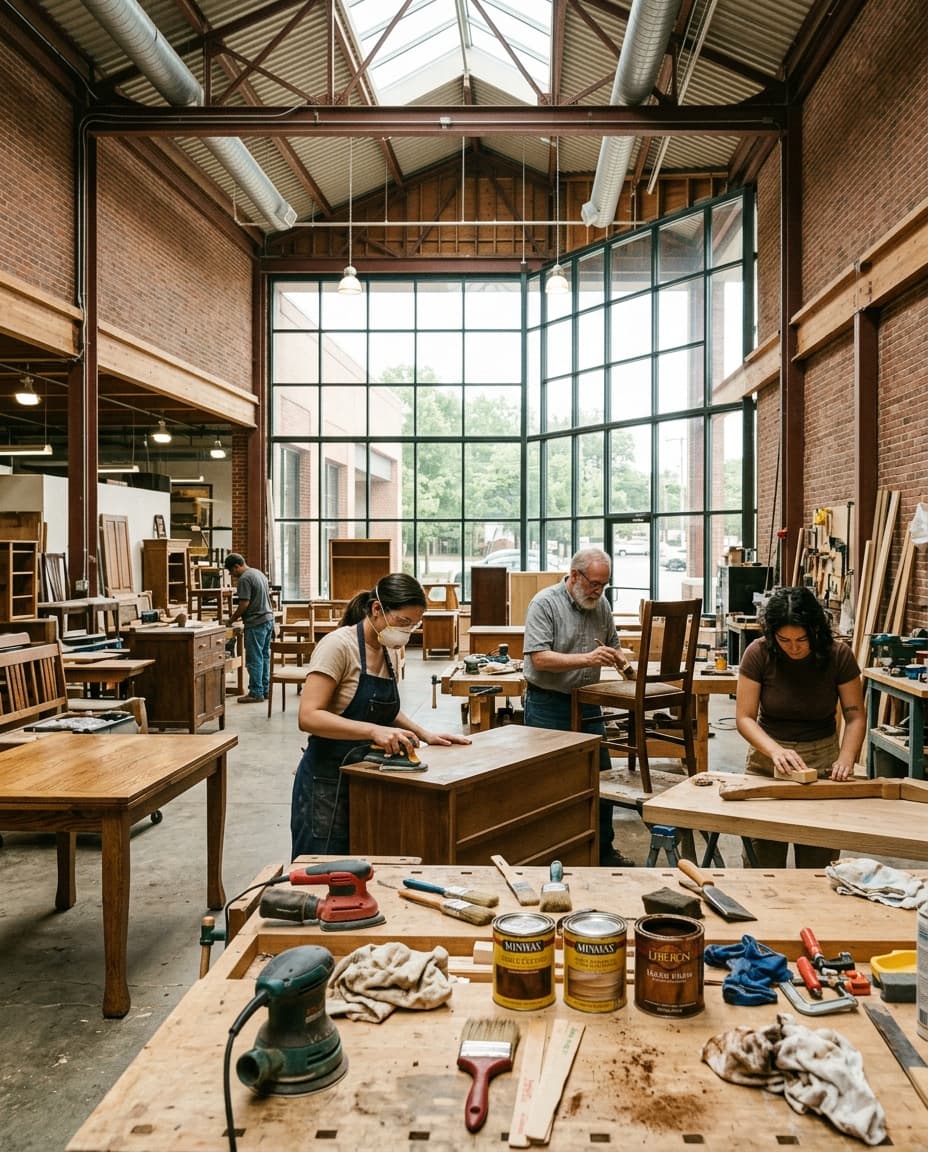
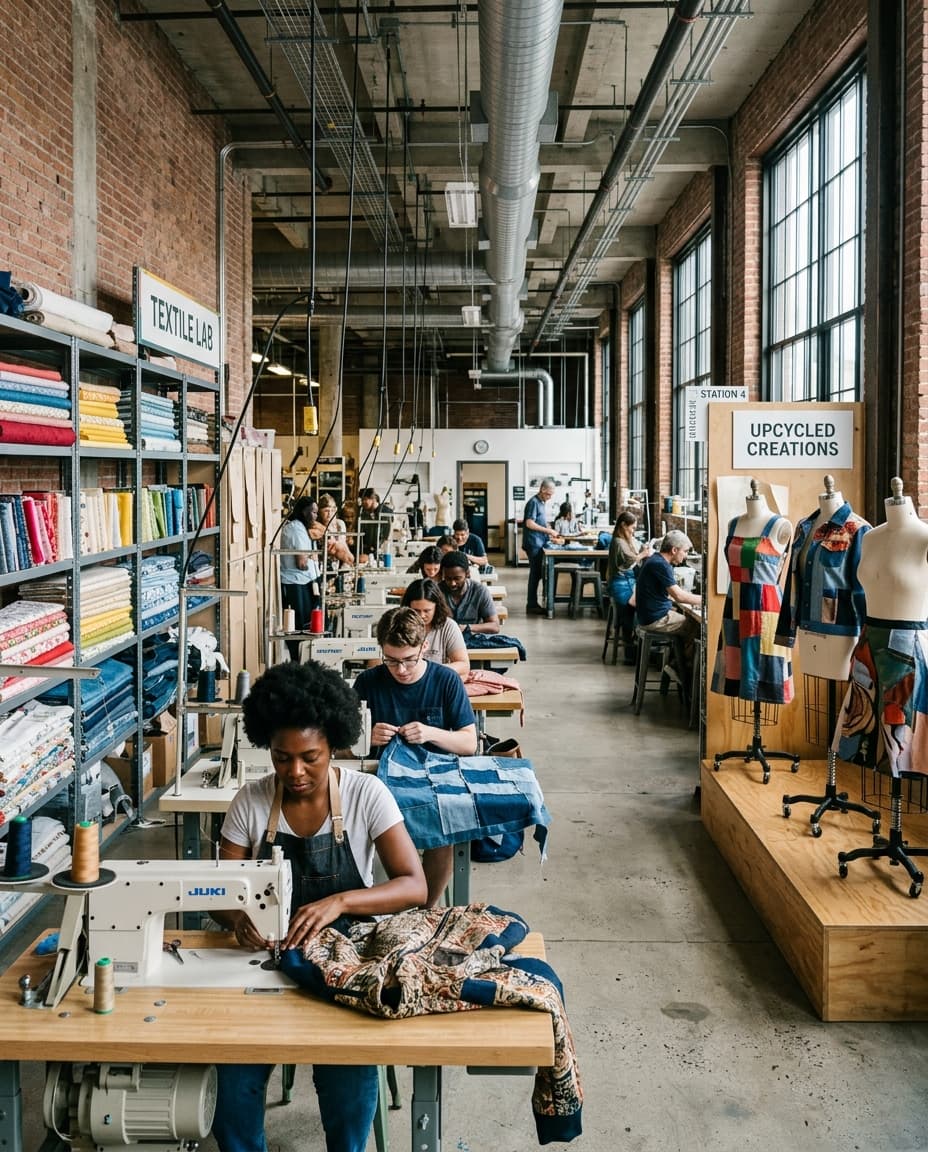
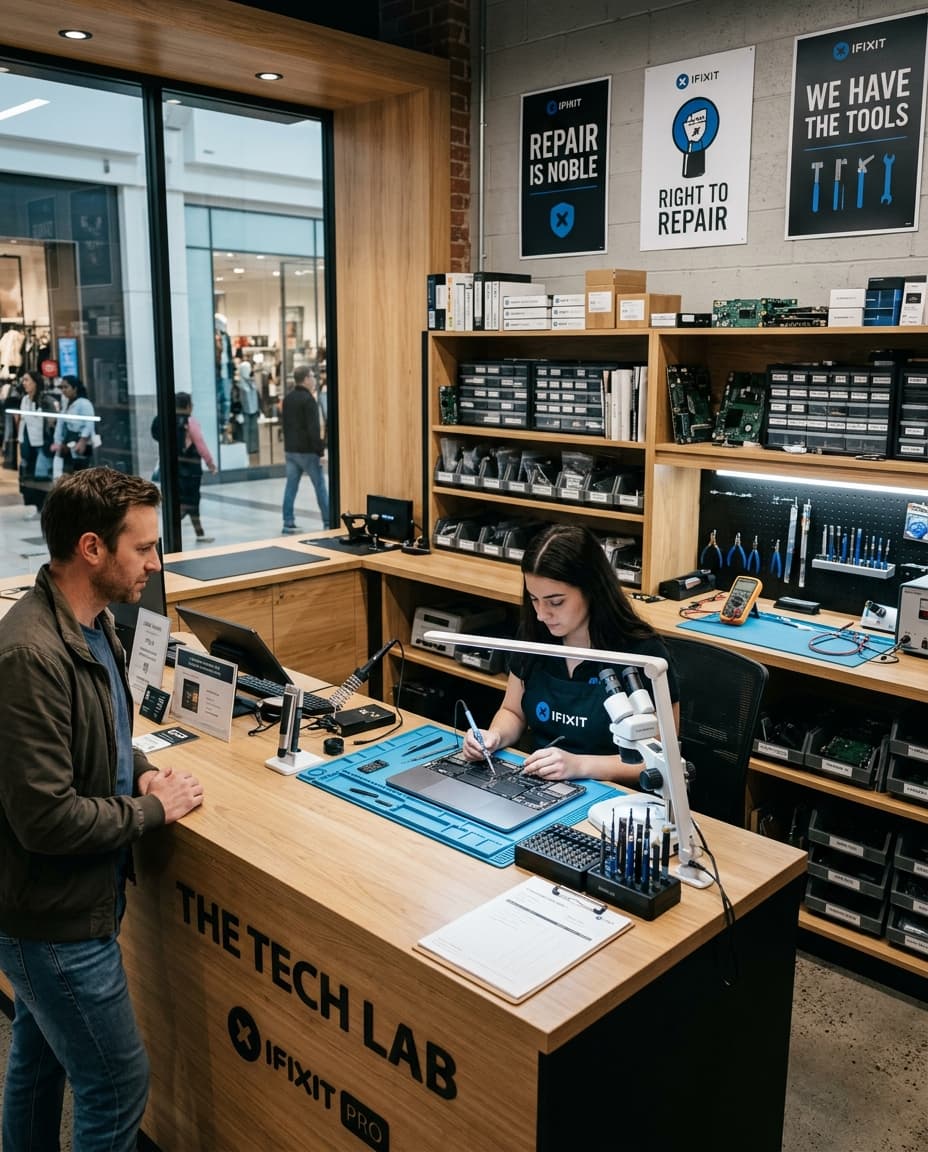
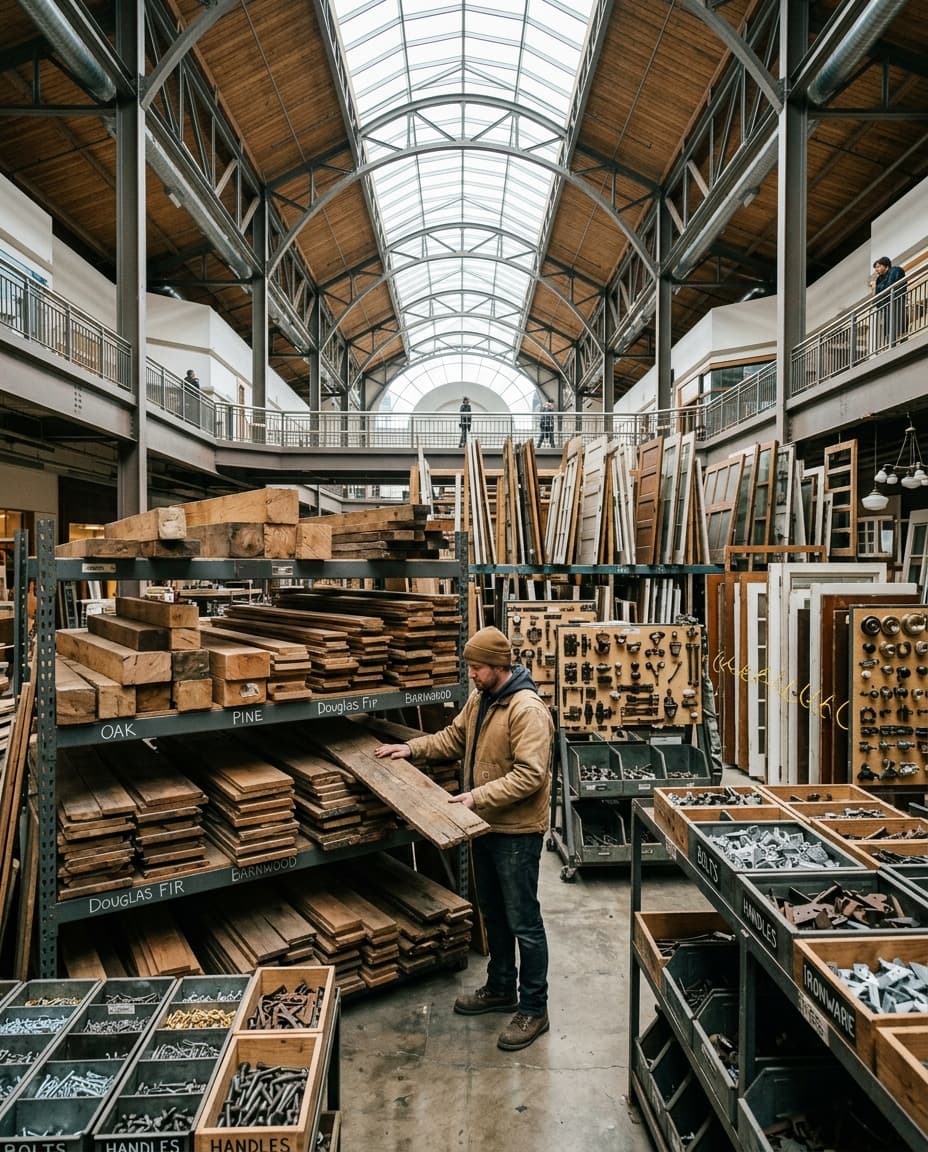
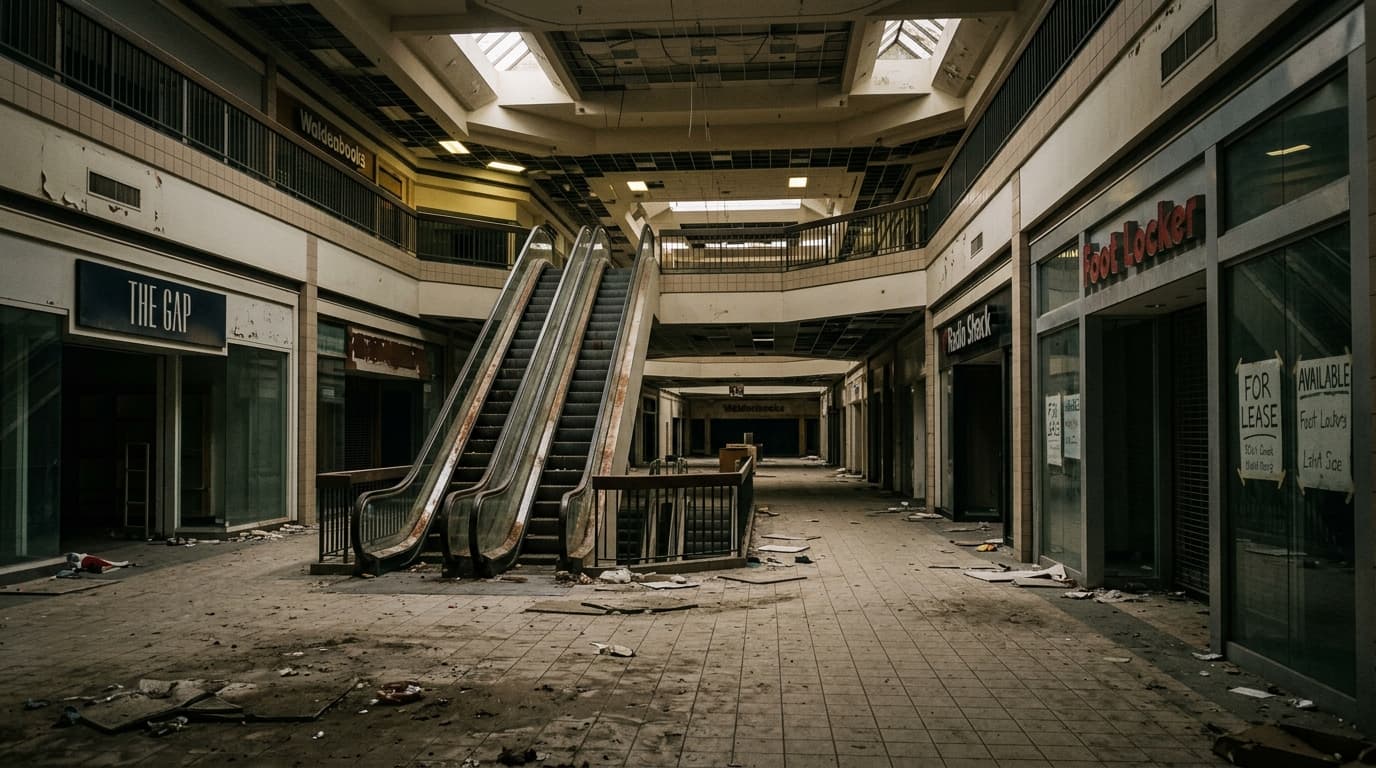
I've seen enough. It is time to stop mourning the death of the American mall and start using its bones to fix the way we live.
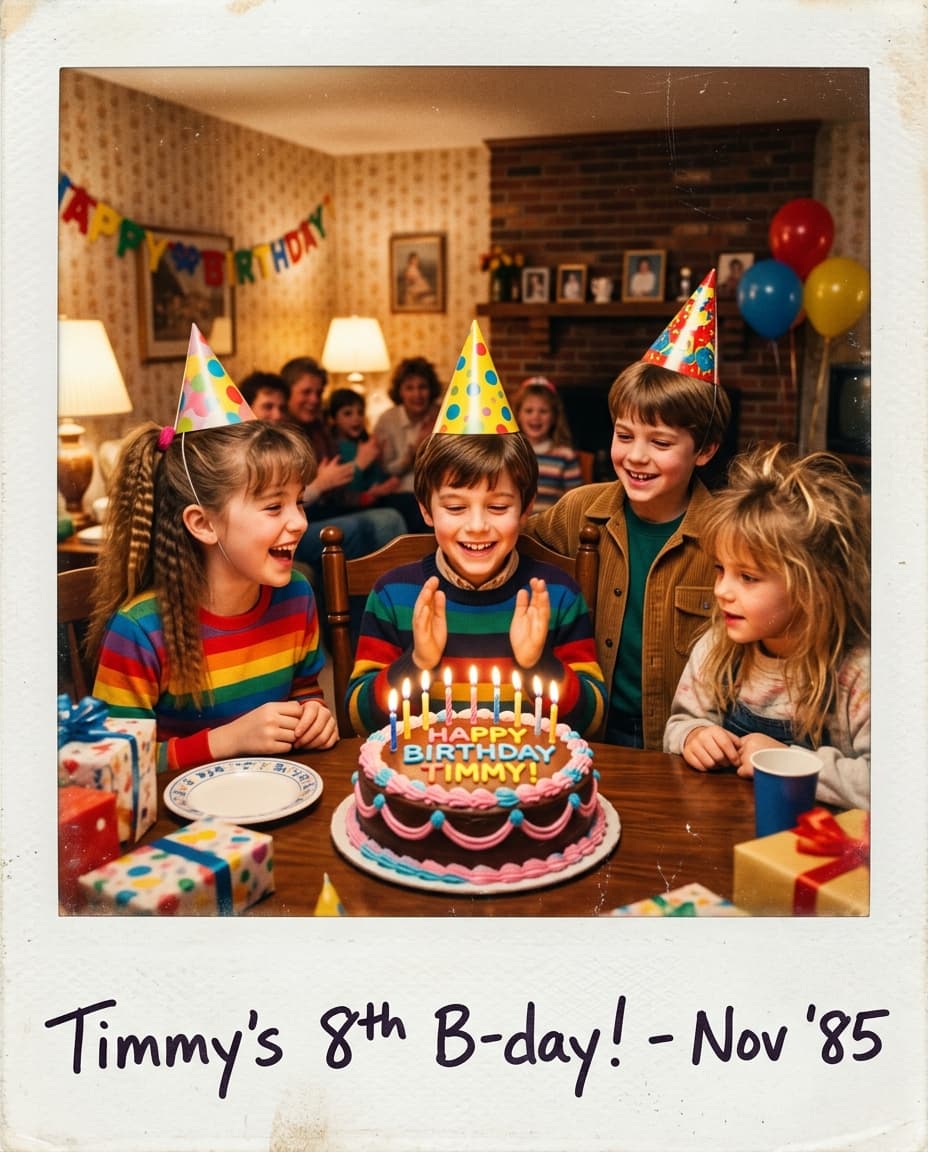
Birthdays
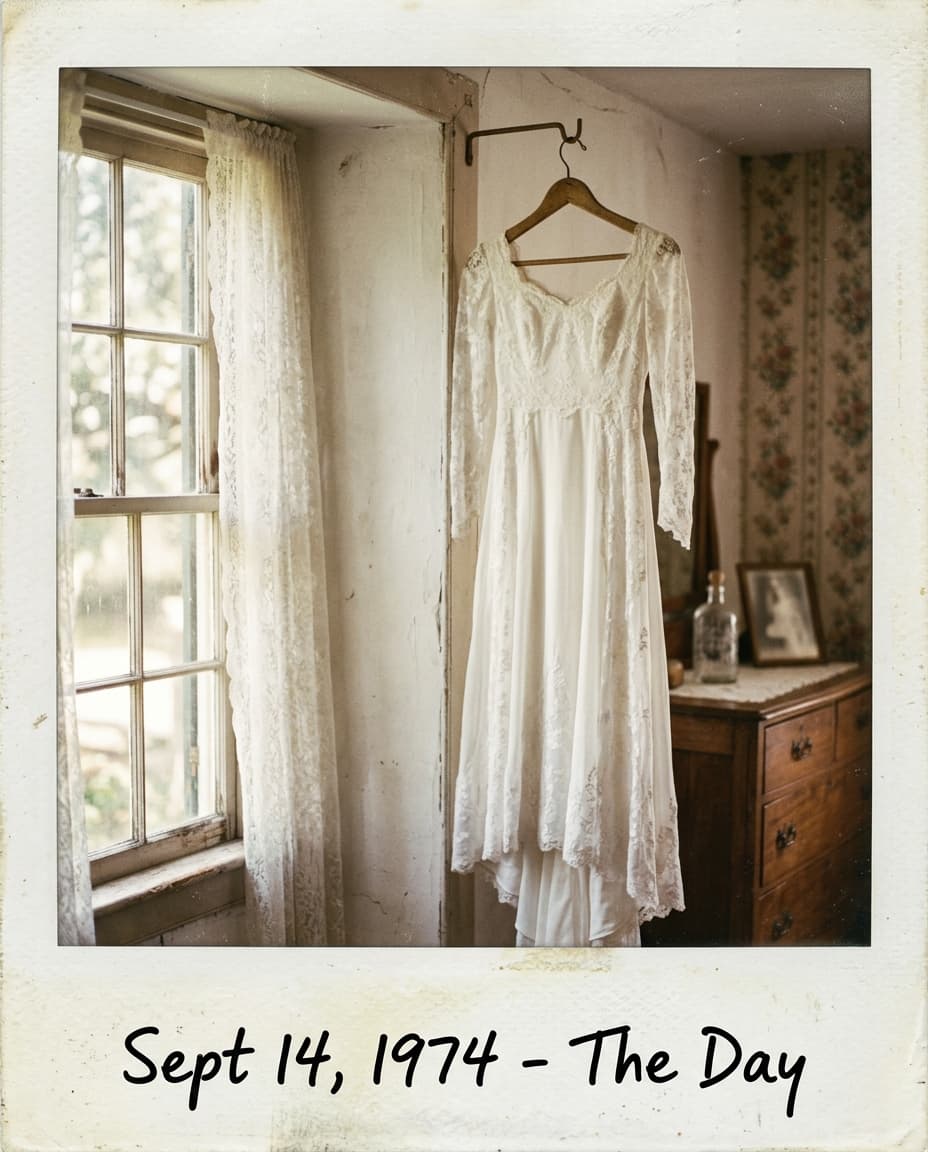
Weddings
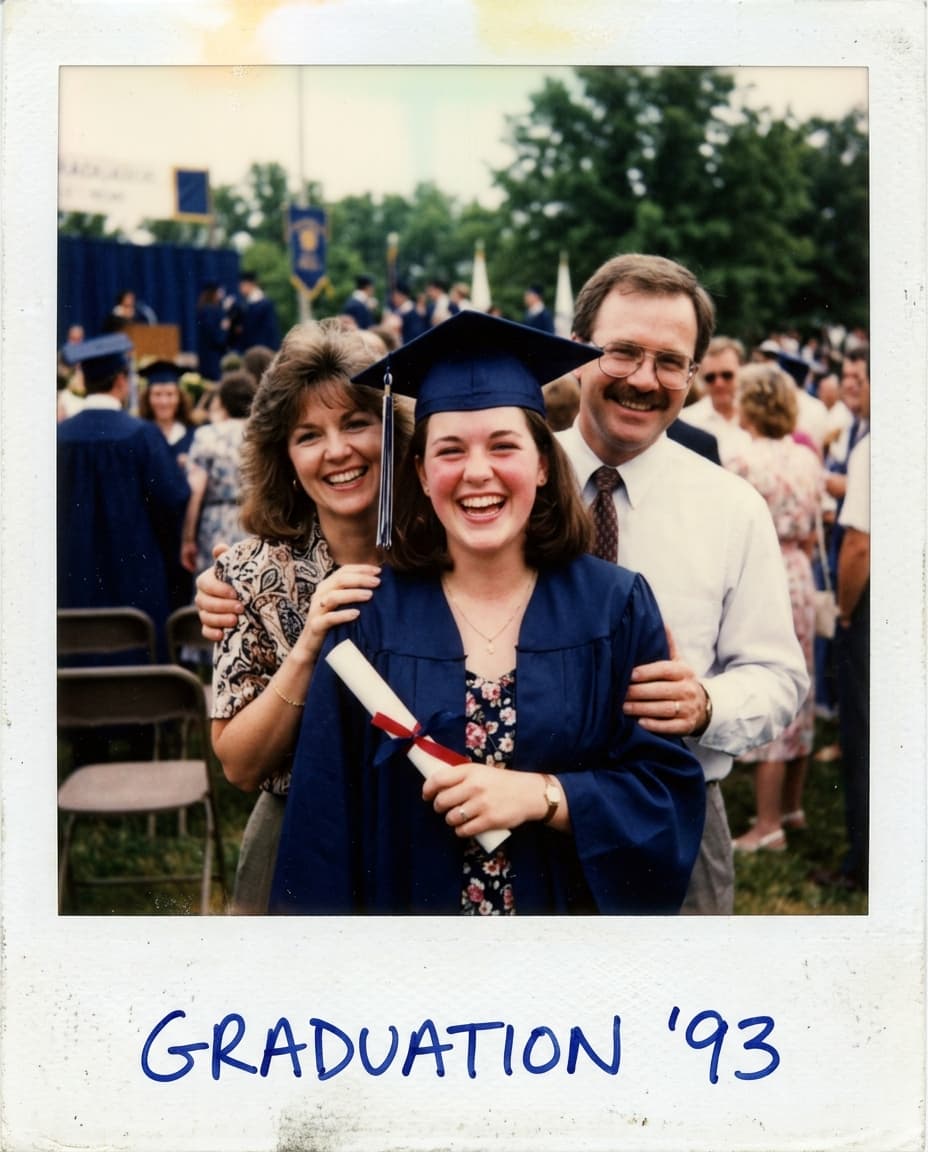
Graduations
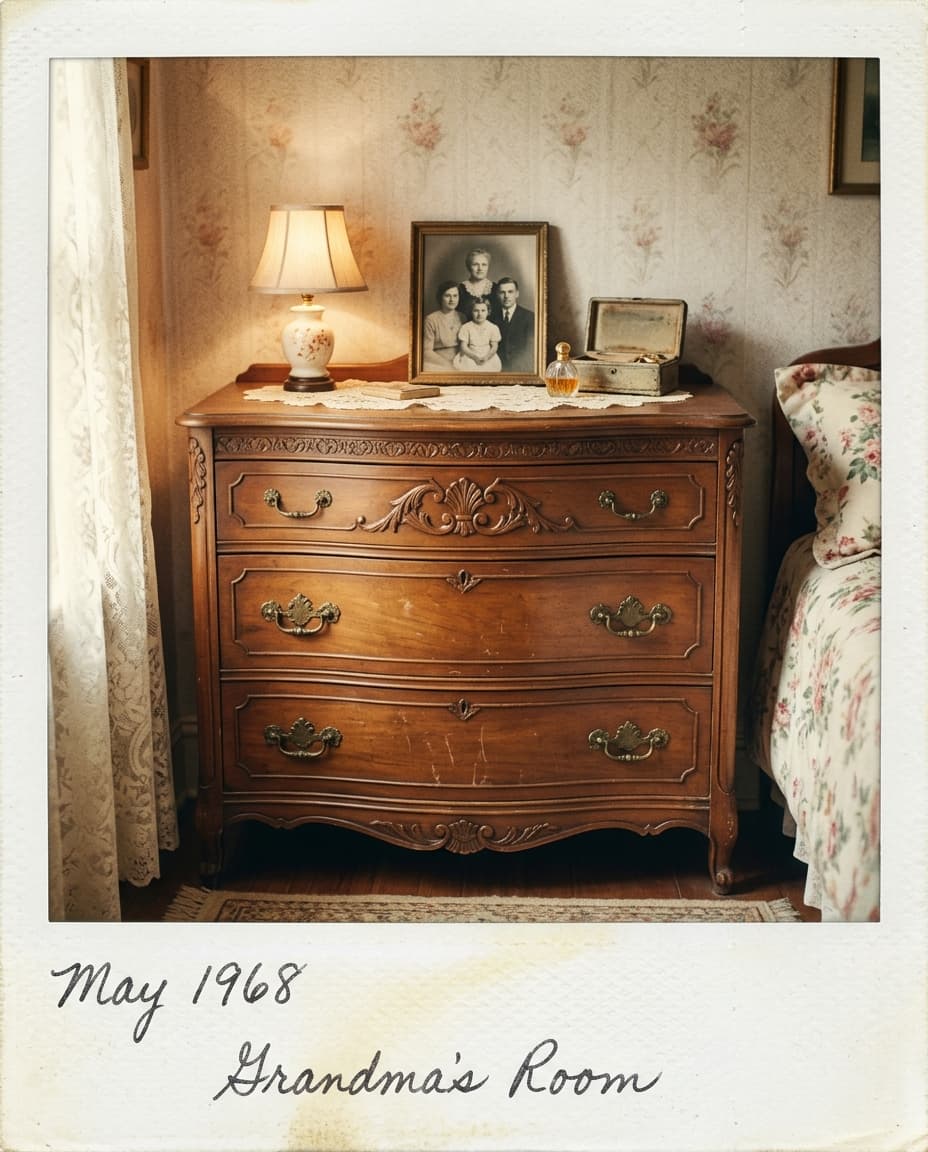
Grandmother's dresser
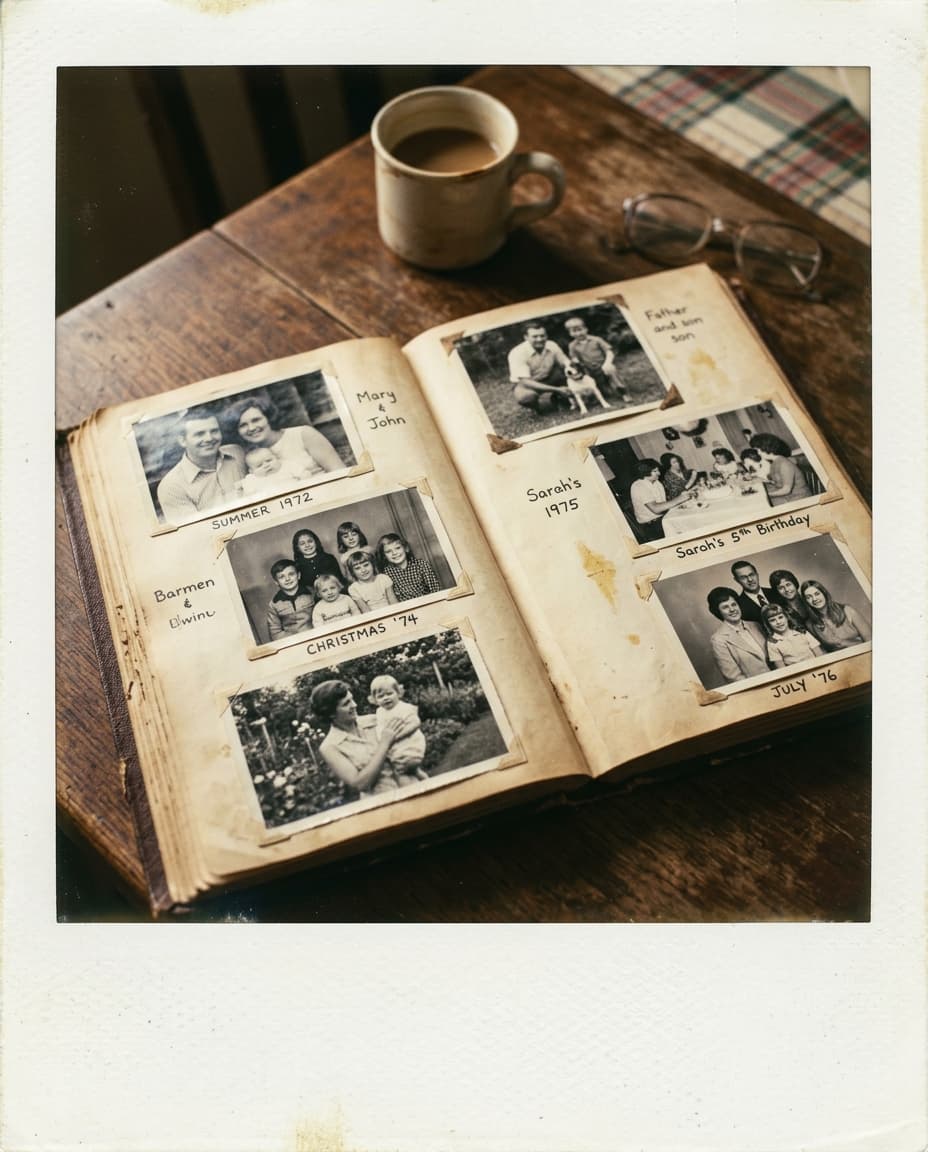
Family photographs
The Infrastructure of Extraction
America built over 1,500 enclosed shopping malls between 1970 and 2015. They were sold as "community hubs." They were sophisticated extraction engines.
Now, as e-commerce and shifting habits hollow out these "temples of consumption," 25 to 30 percent of them are projected to close by 2030.
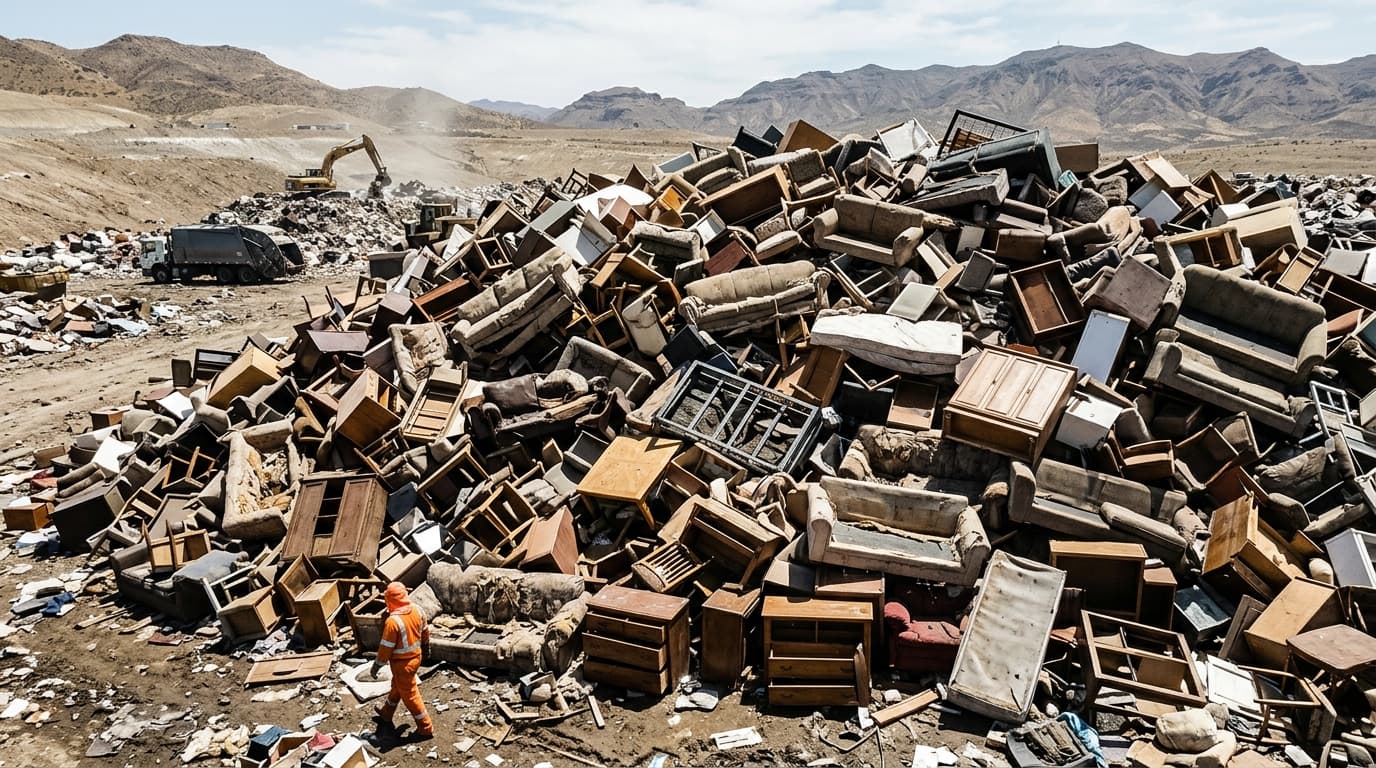
Simultaneously, we are drowning in our own abundance. Americans discard 12 million tons of furniture annually. 80 percent goes directly to landfills.
We have a massive real estate problem and a massive waste problem. They are the solution to one another.